
25
MayGRAPHENE CHEMISTRY- FUTURE OF COMMUNICATION TECHNOLOGY
Graphene- the mother of all graphitic forms is the thinnest and the strongest compound is known to man, approx. 200 times stronger than steel, with a multitude of astounding properties which repeatedly earn it the title “Wonder Material”.
Graphene is indeed very exciting, with a unique combination of extraordinary properties:
Harder than diamond yet more elastic than rubber, tougher than steel yet lighter than aluminium, conducts electricity and heat better than any material ever discovered.
It is truly a material that could transform the world, with unlimited potential for integration in the development of next-generation technologies: wearable and super-fast electronics, ultra-sensitive sensors, multifunctional composites and coatings, membranes, medicine, biotechnology, energy harvesting and storage etc.
Keywords: Graphene Chemistry, Chemical properties of graphene, graphene chemically stable, graphene formula, graphene structure, graphene strength, graphene periodic table.
What is Graphene?
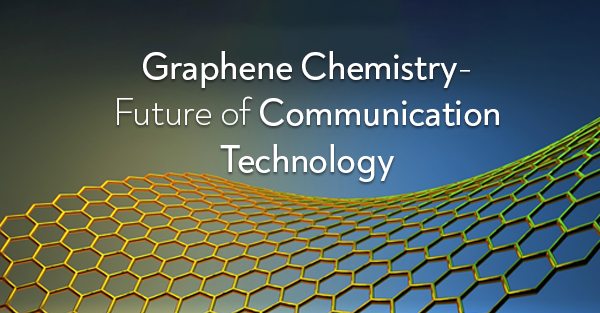
Carbon is an incredibly versatile element, depending on how atoms are arranged. Graphene is a one-atom-thick layer of carbon atoms arranged in a two-dimensional hexagonal lattice nanostructure.
This sp2 bonded Carbon allotrope is an emerging material that could change the way electronic components are made as to the advancements in several types of research around the world suggest, graphene could boost internet speeds, serve as a touch-sensitive coating and extend computers' lives.
Graphene Properties
Graphene’s unusual physical & chemical properties make this compound incredibly interesting to scientists and researchers.
Electrons move through graphene astonishingly fast and begin to exhibit behaviours as if they were massless, imitating the physics that govern particles at super-small scales.
- Conductive: One of the reasons nanotechnology researchers are so enthusiastic about Graphene is its unique electronic properties. It moves electrons 200 times faster than silicon. When it allows electrons to move rapidly, it is allowing electricity to move quickly making it a superior conductor of electricity at extremely high velocity without significant chances of scattering, saving precious energy typically lost in other conductors. Additionally, it is an impeccable thermal conductor as well.
- Transparent: It absorbs 2.3% of the visible light that hits it, allowing you to see through it without having to deal with any glare.
- Flexible: Graphene displays amazing elasticity as it can easily be twisted, pulled and curved to a certain extent without breaking making it a super bendable and stretchable material.
- Strong: It is highly resistant, similar to diamond but much lighter. It is very strong due to its unbroken pattern and tightly packed bonds between the carbon atoms.
What makes Graphene unique?
Fascinating characteristics of Graphene:
- Antibacterial effect. Bacteria are not able to grow in it.
- The high density doesn’t let Helium atoms pass, but it does allow the passage of water, which evaporates at the same speed as if it were in an open container.
- Ability to generate electricity by exposure to sunlight.
- Low electricity consumption compared to other compounds.
- Low Joule effect, heating when conducting electrons.
- Ionizing radiation is not affected.
Graphene Applications
These are some of the promising application areas of Graphene:
- Energy Storage: Graphene-based Nano-materials are the future of communication technology, especially solar cells, supercapacitors and catalysts for fuel cells.
- Graphene Batteries: It can improve energy capacity and charge rate in rechargeable batteries. activated graphene makes
- Supercapacitors: Activated graphene makes superior supercapacitors for energy storage.
- Catalysts for Fuel Cells: Multifunctional graphene mats can be a better alternative for catalytic systems.
- Solar Cells: Graphene electrodes may lead to a groundbreaking approach for making solar cells that are inexpensive, lightweight and flexible.
- Sensor Applications: Scientists and researchers have discovered functional graphene’s exceptional chemical and biological sensory ability with an unprecedented speed. Ultrafast Graphene Nanosensors can monitor your breath while you speak. They can also perform selective gas sensing. Besides, Graphene sensors can also detect bacteria in your mouth, biomarkers for Parkinson’s disease and even emissions and explosives.
- Graphene Membranes: Graphene’s Nanofluidic membranes can be used for developing novel and futuristic water desalination and purification systems with nearly perfect salt rejection and high water flux. It can effectively block organic dyes and ultra nanoparticles. Graphene membrane can also be used for removing CO2 from emissions to prevent it from entering the atmosphere and as an industrial gas separator.
- Biomedical Use of Graphene: Graphene-based materials can be used for making next-generation pharmaceutical solutions due to their extraordinary chemical structure and physicochemical properties, including an ultra-high surface area, optical, thermal and electrical conductivities, and good biocompatibility. Emerging uses are in stem cell therapies that do not hamper the proliferation of human mesenchymal stem cells (hMSCs) and accelerate their specific differentiation into bone cells.
- Face Masks: Due to its outstanding anti-bacterial property, a team of researchers have successfully produced Graphene Face Masks to combat the Covid-19 pandemic. It provides 80% anti-bacterial efficiency which can be enhanced to almost 100% with exposure to sunlight for around 10 minutes.
At the pace research is moving, we could know very soon if graphene dominates industries or serve as another step in discovering the next wonder material.

Reviews